Understanding Your Options
Treatment Questions
Clear, realistic information about how treatments work, their potential benefits, and their limitations.
How may acupuncture help with pain?+
Acupuncture uses sterile, single-use fine needles at selected points. Its effects are not fully understood, but research suggests it may influence nervous-system activity and local tissues. It may help some people manage back or neck pain, knee osteoarthritis pain, and certain headaches.
How does shockwave therapy work?+
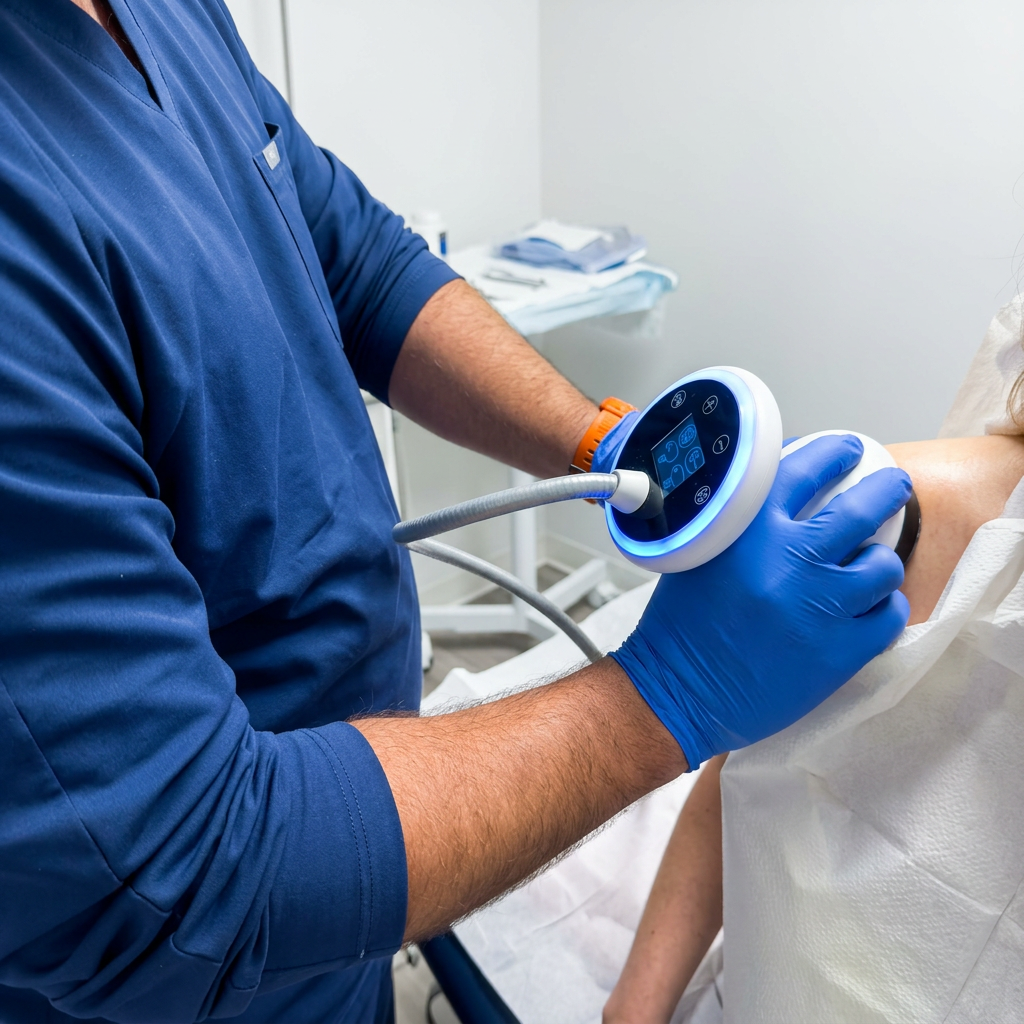
Shockwave therapy sends acoustic pressure waves into a targeted area. It may influence pain signaling and the local tissue response and is sometimes considered for persistent tendon or plantar heel complaints. It is not an electrical shock and does not require an incision.
What is Prolozone therapy?+
Prolozone is an injection-based approach using a clinician-selected solution with an oxygen-ozone mixture in or around selected joints or soft tissues. Evidence is still developing, protocols vary, and it is not guaranteed to regenerate tissue, create permanent repair, or cure a condition.
How is a treatment selected?+
Recommendations are based on your history, symptoms, examination, goals, safety considerations, and response to care. The provider will explain potential benefits, limitations, risks, and alternatives before treatment.
What happens at the first appointment?+
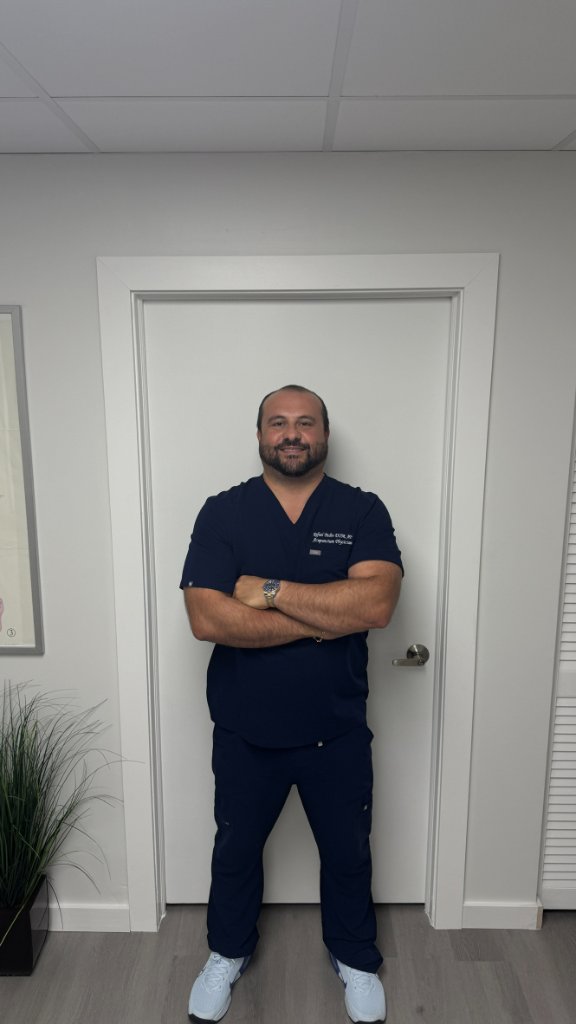
Your first visit focuses on your symptoms, health history, movement concerns, medications, and goals. Rafael Padro, AP, DOM, will explain which options may be appropriate and outline a personalized starting plan.
How many visits will I need?+
The number and frequency of visits vary by patient and condition. Your provider will set measurable goals and reassess your response rather than promise a fixed result or timeline.